
By RISE Realty | Miami Commercial Real Estate Specialists
By the time the lease document arrives, the important decisions are already made. They were made in a step most tenants treat as a formality, and rush right through.
Ask most business owners how a commercial lease gets negotiated and they'll point to the lease itself, that thick document full of legal language they sign at the end. But by then, the terms are mostly locked. The real negotiation happened earlier, in a short document almost everyone underestimates: the Letter of Intent.
Get the LOI right and the lease that follows is largely a formality. Get it wrong, or skip past it, and you spend the rest of the deal fighting uphill on terms you already conceded without realizing it.
What a Letter of Intent actually is
A Letter of Intent (LOI) is a preliminary document that outlines the key business terms of a lease before the formal, binding lease is drafted. It's usually non-binding on the big points, which is exactly why tenants underestimate it. "it's not the real contract, so why sweat it?"
That's the trap. The LOI is where rent, term length, free rent, improvement allowances, renewal options, and expansion rights all get established. Whatever you agree to here becomes the skeleton the actual lease is built around. Attorneys drafting the lease work from the LOI. If a protection isn't in the LOI, you're now asking for it after the landlord thinks the deal is done — the weakest possible moment to negotiate.

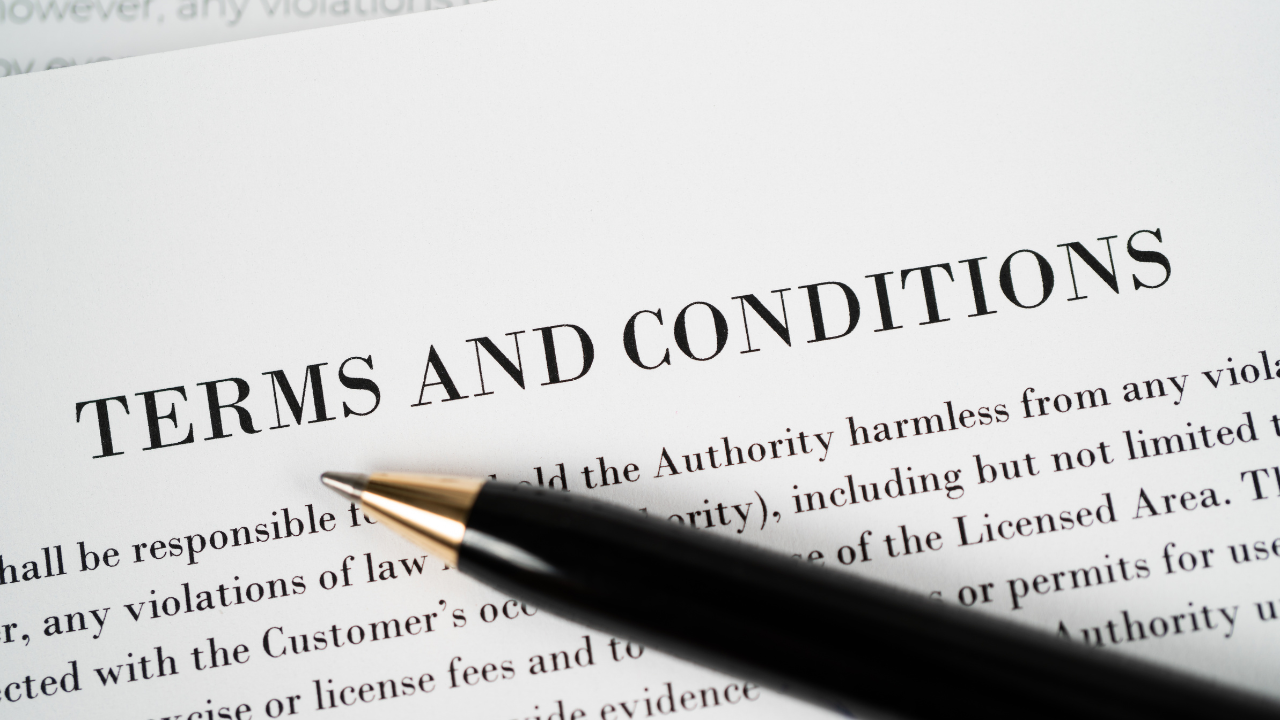
Reviewing and annotating a Letter of Intent, the document where the key terms of a Miami commercial lease are actually set
Why the LOI holds all the leverage
Here's the dynamic that catches tenants off guard: your leverage is highest before you've committed and lowest after. At the LOI stage, the landlord still has to win you. You have other options, and they know it. Once you've signed an LOI and everyone's moving toward lease execution, the momentum — and the leverage quietly shifts to the landlord.
Sophisticated tenants front-load the negotiation into the LOI for exactly this reason. They resolve the terms that matter while they still have the power to walk. Everything left vague "to sort out in the lease" becomes a concession waiting to happen.

The LOI stage is where a Miami tenant holds the most leverage, before commitment shifts negotiating power to the landlord
The terms to nail down in the LOI
A strong LOI doesn't just cover rent and length. It locks in the terms that quietly decide your future:
- Base rent and escalations — the starting number and exactly how it climbs each year.
- Lease term and renewal options — how long you're committed, and on what terms you can extend.
- Free rent and improvement allowances — concessions the landlord provides, spelled out before they harden.
- Expansion, contraction, and sublease rights — the flexibility to adapt as your business changes.
- Who pays for what — the operating-cost structure, defined here rather than discovered later.
Each of these is far easier to secure in the LOI than to claw back once the lease is being drafted around terms you already accepted.
A single line in an LOI can cost real money for years. On a 5-year, 10,000 SF Doral lease at $22/SF NNN, agreeing to a 3.5% annual escalator instead of 2.5% adds roughly $27,000 in cumulative base rent — a number most tenants never calculate because it lives in a term sheet no one reviews carefully.

Pausing before signing an LOI, since the Miami lease that follows will be built around this document's terms
The "non-binding" misunderstanding
Because an LOI is usually labeled non-binding, tenants assume it doesn't matter much. In practice, it sets expectations that are very hard to move. Once both sides have shaken hands on an LOI, walking back a term feels like bad faith, even though nothing is legally locked. Landlords count on that social pressure.
And "non-binding" is rarely absolute. LOIs often contain some binding provisions, confidentiality, exclusivity, good-faith negotiation windows, buried among the non-binding business terms. Signing without knowing which parts bind you is its own risk.
Florida note: Florida courts have, in some cases, applied a duty of good-faith negotiation even to LOIs labeled non-binding and have enforced binding sub-clauses (exclusivity, confidentiality, negotiation windows) tucked inside otherwise non-binding documents. A Florida commercial real estate attorney can tell you exactly which parts of a given LOI actually bind you before you sign it.

A tenant representative shaping the Letter of Intent so the Miami lease that follows already works in the tenant's favor
Slow down where it counts
The LOI feels like the easy part of a lease deal — a quick handshake on the way to the "real" document. It's actually the part that decides how good that real document will be. Slowing down here, and negotiating hard before you sign it, is where the best outcomes are won.
This is exactly where a tenant representative earns their keep — shaping the LOI so the lease that follows already works in your favor, instead of scrambling to fix terms after the leverage is gone.
Talk to us before you sign, not after.
👉 Talk to us before you sign — Tenant Representation →
👉 Download the Tenant Lease Audit Checklist →
Disclaimer: This article is for informational purposes only and does not constitute legal advice. Personal guarantee language, enforceability, and creditor remedies vary by state, lease structure, corporate form, and individual circumstances. Always consult a qualified commercial real estate attorney before signing any personal guarantee or lease amendment.
About RISE Realty: RISE Realty is a Miami-based commercial real estate firm specializing in tenant representation, investor advisory, industrial and cold storage real estate, and commercial buyer and seller services across South Florida. Our team is led by Keith Alan Darby, CCIM —Principal | RISE Realty. The CCIM designation is held by fewer than 6% of commercial real estate professionals nationwide and represents the industry's highest standard of education and transactional expertise.
Keith Alan Darby, CCIM
Principal | RISE Realty · South Florida Tenant Representation
Direct: 305-720-7925 · Office: 305-859-1606
Email: [email protected] Web: riserealty.com
Specializing in tenant representation for office, industrial, cold storage, and retail across Miami-Dade, Broward, and Palm Beach.

Check out this article next