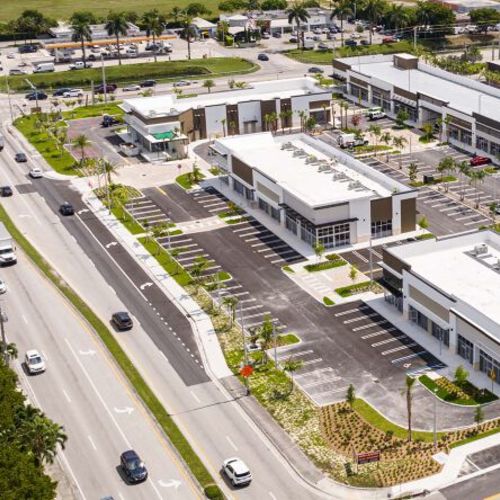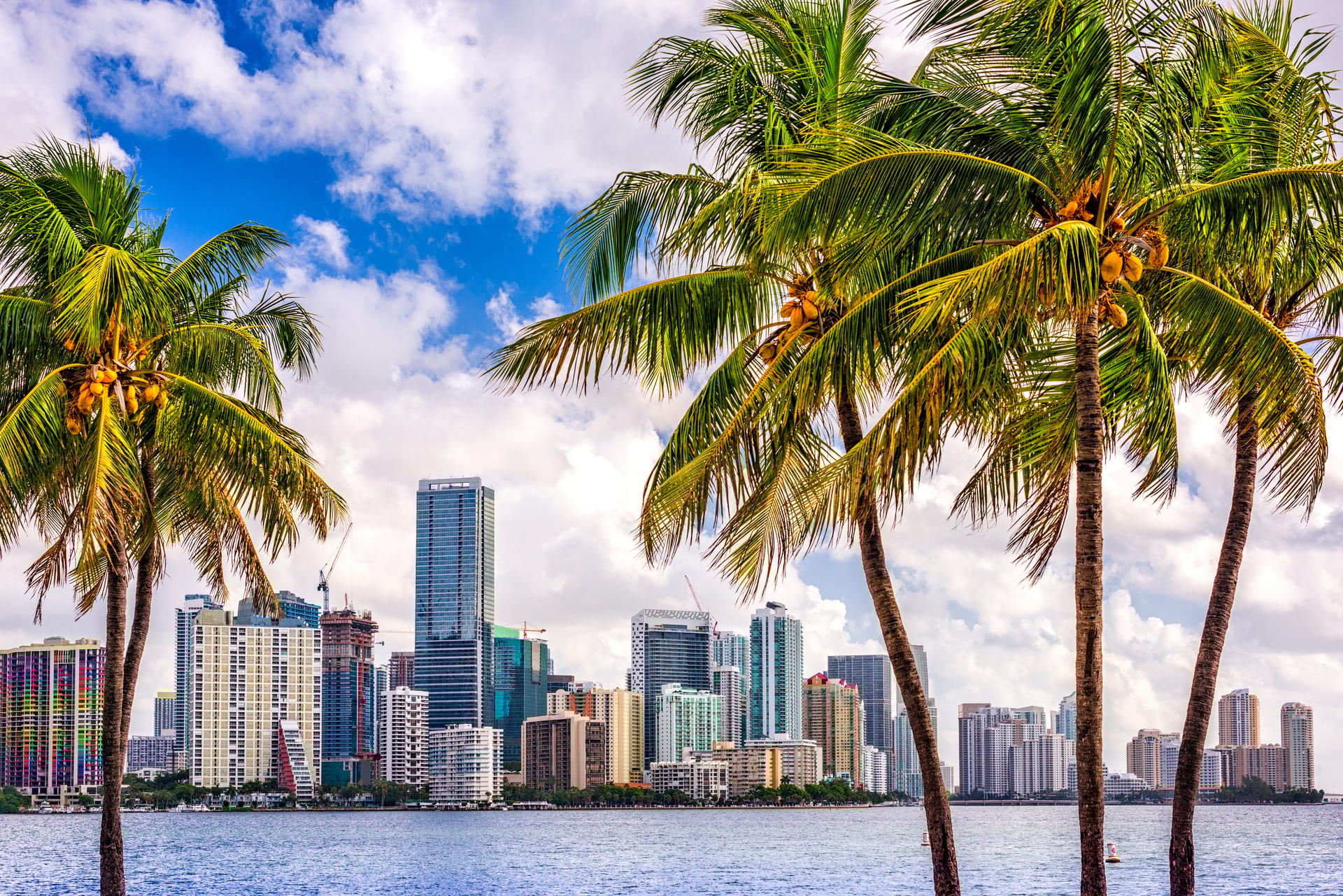
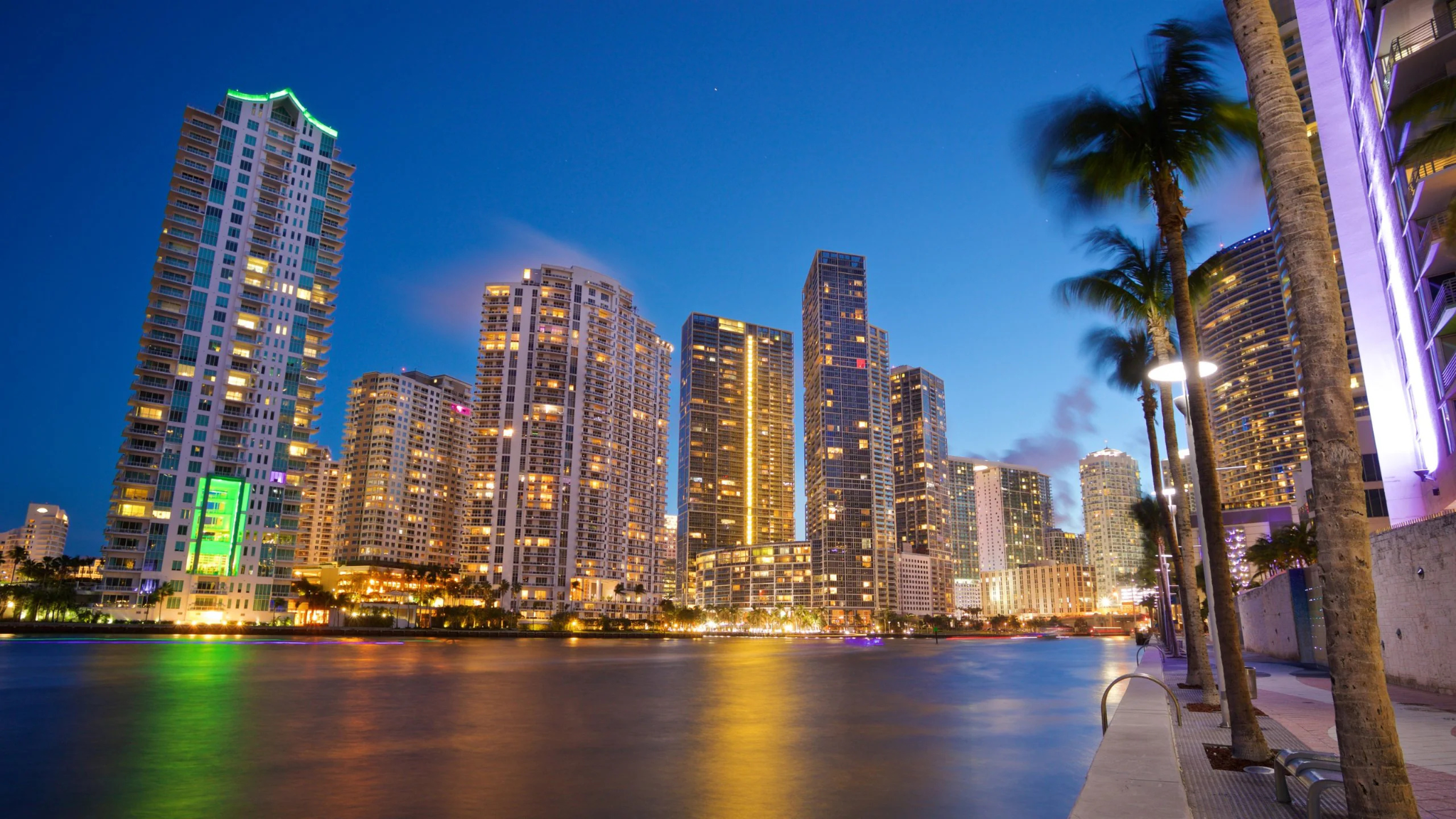
Over the past decade, Miami has transformed from a tourism-focused market into a thriving hub for commercial real estate. A key driver of this shift is the rise of mixed-use developments—projects combining residential, retail, office, hospitality, and cultural spaces into unified communities.
While not new to global cities, Miami’s international influence, strong tourism, and rapid population growth create ideal conditions for these projects. Leading the way are neighborhoods like Little River and Upper Buena Vista, attracting growing interest from investors, landlords, and tenants.
This article explores what’s fueling Miami’s mixed-use boom, why Little River and Upper Buena Vista are poised for rapid growth, and how stakeholders can capitalize on these opportunities.
Understanding Mixed-Use Commercial Real Estate
Mixed-use commercial real estate refers to developments that combine multiple property types — typically retail, office, residential, entertainment, and sometimes hospitality — within the same building or district. These developments are designed to create walkable, vibrant communities where people can live, work, and play without needing to commute long distances.
Key benefits include:
- Higher property values: The combination of residential and commercial spaces creates a synergistic effect, increasing demand and value for both.
- Steady cash flow for landlords: Multiple tenant types diversify income streams, reducing reliance on one sector.
- Convenience for tenants: Businesses benefit from built-in foot traffic, while residents enjoy proximity to amenities.
- Urban revitalization: Underused neighborhoods are transformed into thriving economic centers.
In Miami, these benefits are amplified by the city’s year-round tourism, high international investor interest, and growing influx of remote workers seeking vibrant, amenity-rich communities.
Why Miami Is the Ideal Market for Mixed-Use Development
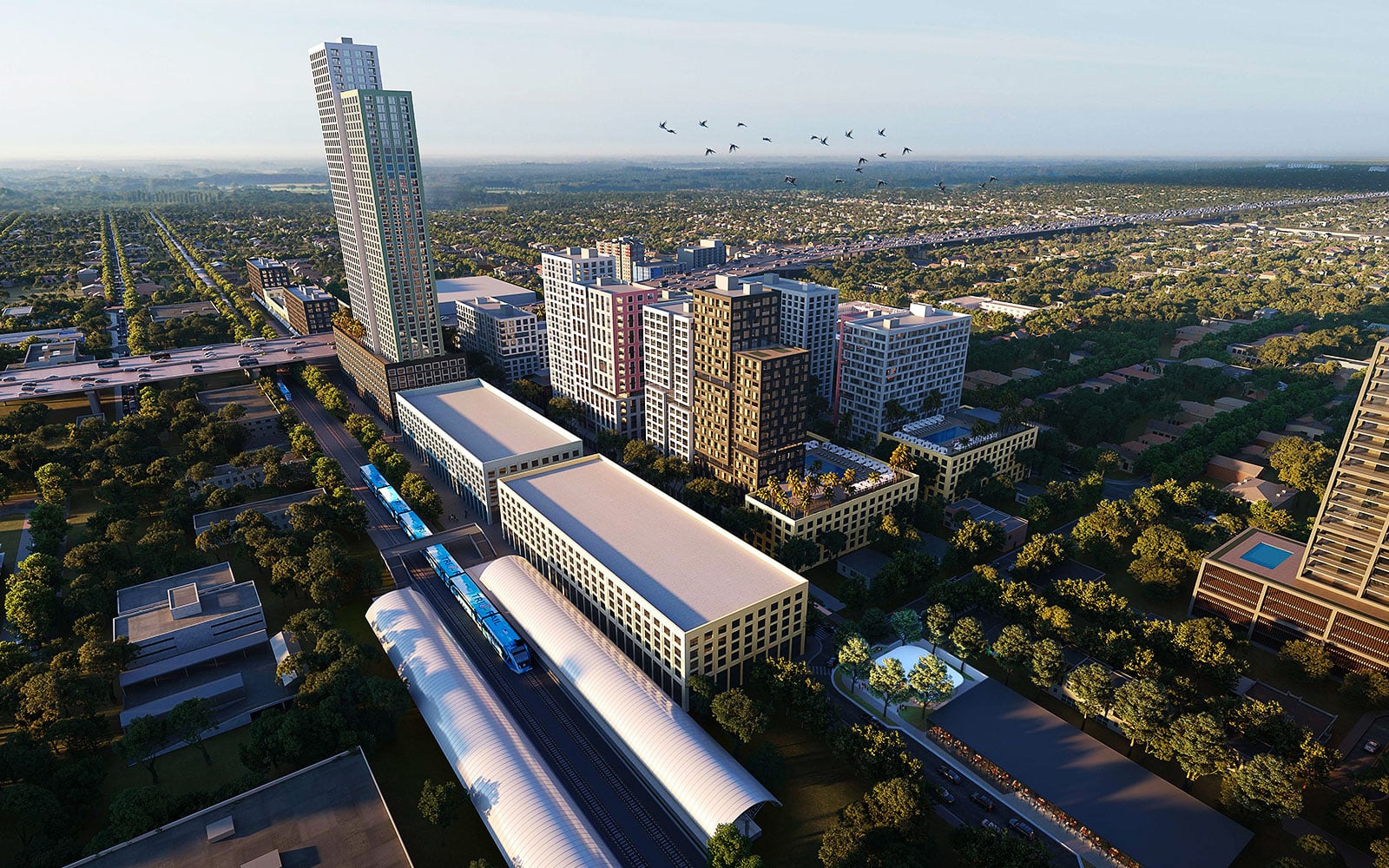
Miami’s emergence as a hub for mixed-use projects is no coincidence. A combination of unique market conditions has created the perfect environment for these developments:
Population Growth and Migration Trends
Miami continues to attract residents from across the U.S. and around the world, particularly from Latin America, Europe, and the Northeast. Drawn by its vibrant lifestyle, business-friendly tax policies, and expanding economic opportunities, newcomers are turning the city into a thriving cultural and economic hub.
This steady influx of residents bolsters Miami’s dynamic real estate market, increasing demand for housing, office spaces, and amenities. As the population grows, so does the need for innovative, mixed-use developments that cater to a variety of needs, creating lucrative opportunities for investors and developers alike.
A Thriving Tourism Economy
As one of the world’s premier tourist destinations, Miami welcomes over 26 million visitors annually. This robust tourism industry directly supports the hospitality and retail sectors, driving demand for commercial tenants within mixed-use districts.
With year-round tourism fueling consistent economic activity, Miami’s infrastructure is designed to meet the needs of both visitors and residents. From luxury shopping to world-class dining, the city’s tourism economy bolsters its commercial landscape, making it a magnet for investment and long-term development.
The Rise of Remote Work
The shift to hybrid and remote work has positioned Miami as a top destination for professionals seeking an ideal blend of lifestyle and career opportunities. Neighborhoods that integrate professional spaces with high-quality amenities are increasingly in demand, attracting remote workers, digital nomads, and startups.
This trend has driven the growth of areas offering coworking spaces, modern housing, and recreational facilities. Miami’s adaptability to the remote work movement highlights its growing reputation as a city that fosters innovation and work-life balance.
Forward-Thinking City Development
Miami’s progressive zoning policies and redevelopment incentives are breathing new life into underutilized neighborhoods. Encouraging adaptive reuse and sustainable urban planning, the city is revitalizing older areas while preserving their character and charm.
These forward-thinking initiatives not only enhance Miami’s urban landscape but also attract investors and developers eager to be part of its transformation. By embracing growth, innovation, and sustainability, Miami is solidifying its status as a city of the future.
With its growing population, thriving tourism sector, remote work appeal, and forward-thinking policies, Miami offers a fertile ground for mixed-use development. The city’s dynamic environment provides unmatched opportunities for forward-thinking developers and investors, making it a beacon for modern urban growth.
How Do Mixed-Use Developments Influence Property Values in Miami?
Mixed-use developments in Miami tend to outperform single-use commercial spaces in property value appreciation.
By blending residential and commercial elements, these developments create a dynamic ecosystem where demand thrives on both ends—residents enjoy the convenience of nearby amenities, while businesses benefit from a built-in customer base.
Neighborhood branding further amplifies this effect. Districts known for their mixed-use lifestyle often attract affluent residents and high-end retail tenants, driving property values even higher. For investors, this translates into long-term capital growth paired with steady rental income, making mixed-use developments a compelling opportunity.
Spotlight on Little River: The Creative Commercial FrontierOnce an overlooked industrial area, Little River has rapidly evolved into a creative and commercial hub, attracting a mix of art galleries, boutique retailers, tech startups, and artisanal food producers.
Why Investors Are Paying Attention to Little River:
- Adaptive Reuse Potential: Many warehouses and industrial buildings in Little River are being transformed into trendy, functional spaces for retail, office, and hospitality use. This type of redevelopment not only preserves the neighborhood’s character but also caters to the growing demand for creative and unique commercial spaces.
- Rising Property Values: With an increase in interest from both businesses and investors, commercial property prices in Little River have seen consistent growth over the years. This trend offers significant ROI potential for those looking to invest in a market with a strong upward trajectory.
- Cultural Appeal: Known for its authenticity and artsy vibe, Little River continues to draw a steady flow of visitors, from locals to tourists. This ongoing interest enhances foot traffic and visibility for businesses in the area, contributing to higher tenant success rates and making the neighborhood a prime destination for entrepreneurs.
Example Projects & Developments:
- Evolving Retail Corridors: Several streets in Little River now feature clusters of coffee shops, co-working spaces, and artisanal markets.
- Creative Industry Growth: Design studios, recording spaces, and galleries anchor the area, fostering a vibrant local economy.
For landlords, Little River offers the chance to lease to long-term tenants in the creative, culinary, and boutique retail sectors. For tenants, the neighborhood’s rising popularity translates into strong foot traffic and community engagement.
Spotlight on Upper Buena Vista: Miami’s Boutique Urban Oasis
In contrast to Little River’s industrial-chic vibe, Upper Buena Vista delivers a boutique, upscale experience. Known for its tree-lined streets, curated retail, and intimate public spaces, this neighborhood has become a destination for both locals and tourists seeking unique shopping and dining experiences.
Key Advantages for Investors & Tenants:
- Boutique Tenant Mix: A carefully curated selection of specialty shops, wellness studios, and high-end dining options draws in affluent customers seeking unique, high-quality experiences. This mix creates a vibrant, upscale atmosphere that appeals to a discerning audience.
- Pedestrian-Friendly Design: The thoughtfully designed walkable layout not only encourages longer visits but also promotes a more relaxed and enjoyable shopping experience. Wider pathways, shaded seating areas, and clear signage make it inviting and accessible, ultimately leading to higher customer spending.
- Community-Centric Development: Outdoor plazas, engaging art installations, and a calendar of community-focused events foster a strong sense of place and belonging. These elements encourage repeat visits and build lasting connections between visitors and the destination.
For investors, Upper Buena Vista offers a stable market with premium rental rates and high tenant retention. For tenants, the curated atmosphere supports brand positioning and customer loyalty.
Who Chooses to Set Up Shop in Upper Buena Vista?
Upper Buena Vista’s commercial spaces are a haven for experience-focused businesses that cater to a discerning clientele. Typical tenants include:
- Luxury retail boutiques
- Specialty coffee shops and artisanal food brands
- Yoga and wellness studios
- High-end beauty and spa services
- Artisanal jewelry and craft stores
These businesses flourish in Upper Buena Vista because the neighborhood attracts customers who value exclusivity, authenticity, and curated, personalized experiences. This unique audience not only supports premium pricing but also fosters long-term tenant stability.
Investment Opportunities: Little River vs. Upper Buena Vista
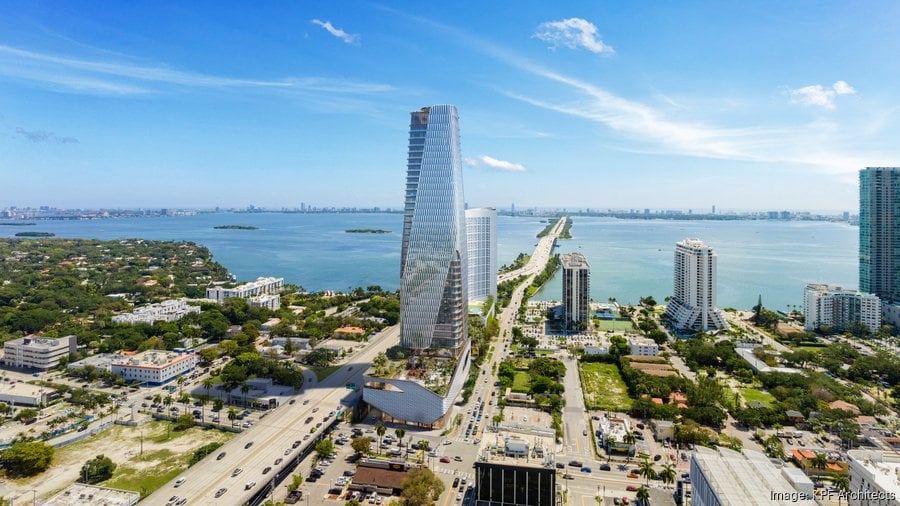
While both neighborhoods are thriving, they appeal to slightly different investment profiles:
Feature
Little River
Upper Buena Vista
Vibe
Creative, artsy, emerging
Boutique, curated, upscale
Primary Tenants
Art galleries, startups, specialty food
Luxury retail, wellness, fine dining
Property Type
Adaptive reuse, warehouse conversions
Boutique storefronts, mixed-use plazas
Investor Appeal
Higher growth potential, more risk
Stable returns, premium rents
Key Considerations for Landlords Investing in Mixed-Use Properties
For landlords exploring mixed-use properties in Miami, thorough preparation is essential. Here are the key factors to keep in mind:
- Higher upfront costs: Mixed-use developments often require larger initial investments due to their architectural complexity and diverse functionality.
- Zoning and compliance challenges: Regulations can vary significantly between neighborhoods, making it crucial to understand local requirements.
- Active tenant engagement: Maintaining a balanced tenant mix that enhances community appeal requires ongoing attention and collaboration.
- Long-term profit potential: Although initial costs may be higher, mixed-use properties often yield greater returns compared to single-use developments.
Adopting a proactive approach—such as investing in amenities, hosting community events, and encouraging collaboration among tenants—can boost occupancy rates and foster lasting tenant loyalty. With careful planning, mixed-use properties can be a highly rewarding investment.
Why Are Tenants Thriving in These Miami Neighborhoods?
Tenants in Little River and Upper Buena Vista enjoy a range of advantages that enhance their business potential.
These areas offer built-in customer bases driven by a mix of residential communities and steady tourist populations. With strong community branding, businesses benefit from attracting loyal, repeat visitors who contribute to sustained growth.
Additionally, tenants can take advantage of collaborative marketing opportunities with neighboring businesses, fostering a supportive and interconnected network. The premium visibility in high-foot-traffic areas further ensures a consistent stream of customers, positioning businesses for long-term success in vibrant, thriving communities.
How Can Investors Maximize Returns in Mixed-Use Neighborhoods?
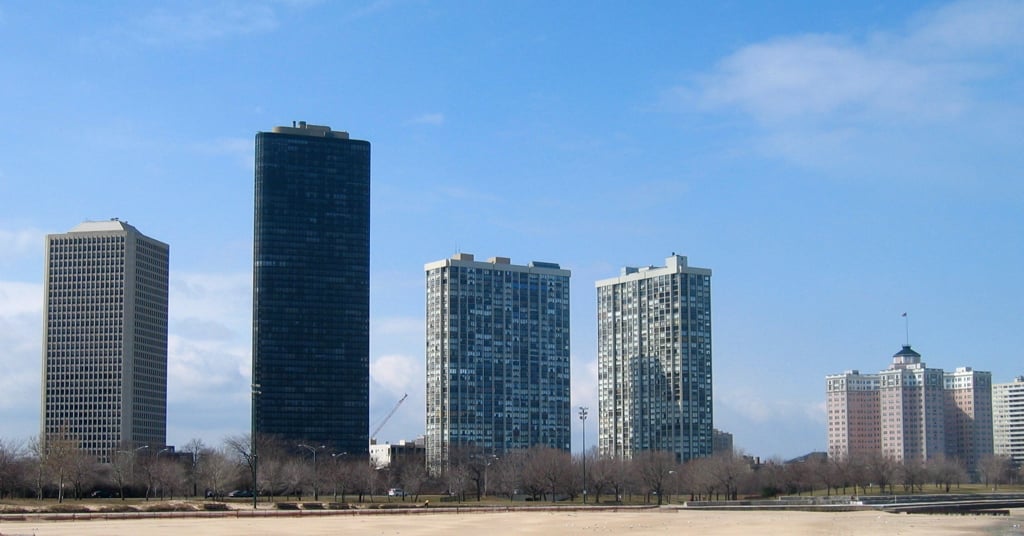
To boost profitability in mixed-use neighborhoods, investors should focus on emerging submarkets before property values hit their peak. Early entry into these growth areas provides a prime opportunity to maximize returns.
Adaptive reuse is another powerful strategy, enabling the transformation of existing structures into distinctive, in-demand spaces that meet shifting market needs. Offering flexible lease terms can further attract and retain high-quality tenants, ensuring stability and long-term value.
Incorporating sustainable features not only appeals to eco-conscious tenants but also aligns with the growing demand for environmentally responsible practices. This approach enhances property value, strengthens market competitiveness, and positions investments for success in an evolving real estate landscape.
What Risks Should You Consider Before Investing in Mixed-Use Properties?
The outlook remains positive; however, several risks must be considered. Market fluctuations could impact both residential and commercial demand, potentially affecting overall project viability.
Additionally, the complexity of development projects may lead to longer timelines, requiring careful planning and resource allocation to mitigate delays. Operational management needs are also higher, demanding robust systems to ensure efficiency.
Furthermore, tenant turnover could pose a challenge if the tenant mix isn’t curated thoughtfully. Addressing these risks proactively is essential to ensure sustainable growth and long-term success in this dynamic market.
Looking Ahead: The Next Five Years
Little River and Upper Buena Vista are poised for steady growth in the coming years. With more investors entering the market, property values are expected to climb, and competition for prime locations will likely intensify.
Key Trends to Watch:
- A stronger focus on integrating hospitality elements into mixed-use developments.
- Rising demand for experiential retail and innovative wellness spaces.
- A continued emphasis on sustainable, eco-friendly construction practices.
These trends highlight the evolving landscape of these neighborhoods, shaping them into vibrant, forward-thinking communities.
FAQs
What role does Downtown Miami play in the city’s mixed-use boom?
Downtown Miami is seeing new construction and retail space projects that complement growth in Little River and Upper Buena Vista. Located in the heart of Miami Dade County, these developments often include residential units and premium interiors.
How is construction financing helping new projects in Miami Dade?
In Miami Dade, construction financing is essential for getting mixed-use projects underway. Developers, including the Related Group, often form a joint venture to secure land, get approvals, and move from the first phase to the final result.
Why are Fort Lauderdale and Miami Dade County attracting mixed-use development?
Both Fort Lauderdale and Miami Dade County offer prime parcels and two parcels sites for mixed-use projects. Owners and partners are investing in retail space and residential units, with some projects already approved and slated for groundbreaking.
What are key details investors should know about land and development phases?
Investors should note that each phase can involve demolition, submitted plans, and design approvals. LLC owners often manage the intersection of timelines, with total height, class, and interiors decided on behalf of the development team during the period before construction.
Conclusion
Miami’s mixed-use boom is reshaping the city’s commercial landscape, and neighborhoods like Little River and Upper Buena Vista are at the forefront.
For investors, they offer attractive ROI potential and long-term stability. For landlords, they provide a diversified, resilient tenant base. And for tenants, they deliver the visibility, foot traffic, and community engagement needed to thrive.
In short — whether you’re buying, leasing, or opening a business — now is the time to explore Miami’s next big investment hubs.
Rise Realty: Navigating Mixed-Use Strategy in Miami
At Rise Realty, we understand that mixed-use development is more than location — it’s positioning, tenant synergy, and long-term value creation.
Whether you are a:
• Investor targeting emerging submarkets like Little River and Upper Buena Vista
• Landlord optimizing tenant mix and asset performance
• Tenant seeking high-traffic, experience-driven locations
Our team delivers data-driven insights and strategic execution across Miami’s most competitive mixed-use corridors.
📞 Contact Rise Realty today to explore opportunities across Miami-Dade’s fastest-growing neighborhoods.
💼 Ready to capitalize on Miami’s mixed-use growth? Let’s talk.
🌐 riserealty.com
📩 [email protected]
📞 305.859.1606
Check out this article next