
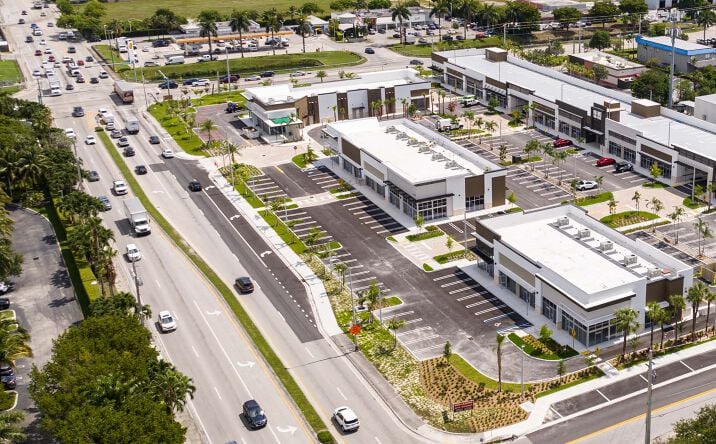
South Florida’s industrial real estate market — especially across Miami-Dade, Broward, and Palm Beach — has experienced explosive growth driven by population migration, international trade, and supply chain shifts.
But in 2026, one asset class stands out above the rest:
Cold storage and temperature-controlled industrial facilities.
With rising food imports, pharmaceutical logistics, and e-commerce grocery demand, cold storage is no longer niche — it’s mission-critical infrastructure. For tenants and investors in South Florida, understanding this sector is essential.
Why Cold Storage Matters More in South Florida
South Florida is uniquely positioned:
•Gateway to Latin America
•Major seaport and airport access
•Year-round perishable goods demand
•Growing population density
However, climate risk and storm exposure also create operational challenges. Flooding, rising insurance costs, and power resiliency concerns make facility design and location strategy more important than ever.
For cold storage operators, downtime isn’t inconvenient — it’s catastrophic.
For investors, this means underwriting must consider:
•Elevation & flood zones
•Backup power systems
•Insurance premiums
•Structural reinforcement
•Energy efficiency costs
The cold storage conversation in 2026 is as much about risk mitigation as it is about rent growth.
Market Fundamentals: Supply, Demand & Pricing in 2026
Cold storage vacancy across South Florida remains significantly tighter than traditional warehouse space.
Key trends shaping 2026:
Low Vacancy Rates → Purpose-built facilities are limited and expensive to replicate.
Rising Construction Costs → Specialized refrigeration systems increase build costs 2–3x above dry warehouse. Strong Rental Premiums → Cold storage rents command substantial premiums over standard industrial space. Long-Term Leases → Tenants typically sign extended terms due to build-out costs.
For investors, this translates into:
• Higher capex upfront
• Longer lease stability
• Sticky tenants
• Stronger long-term yield potential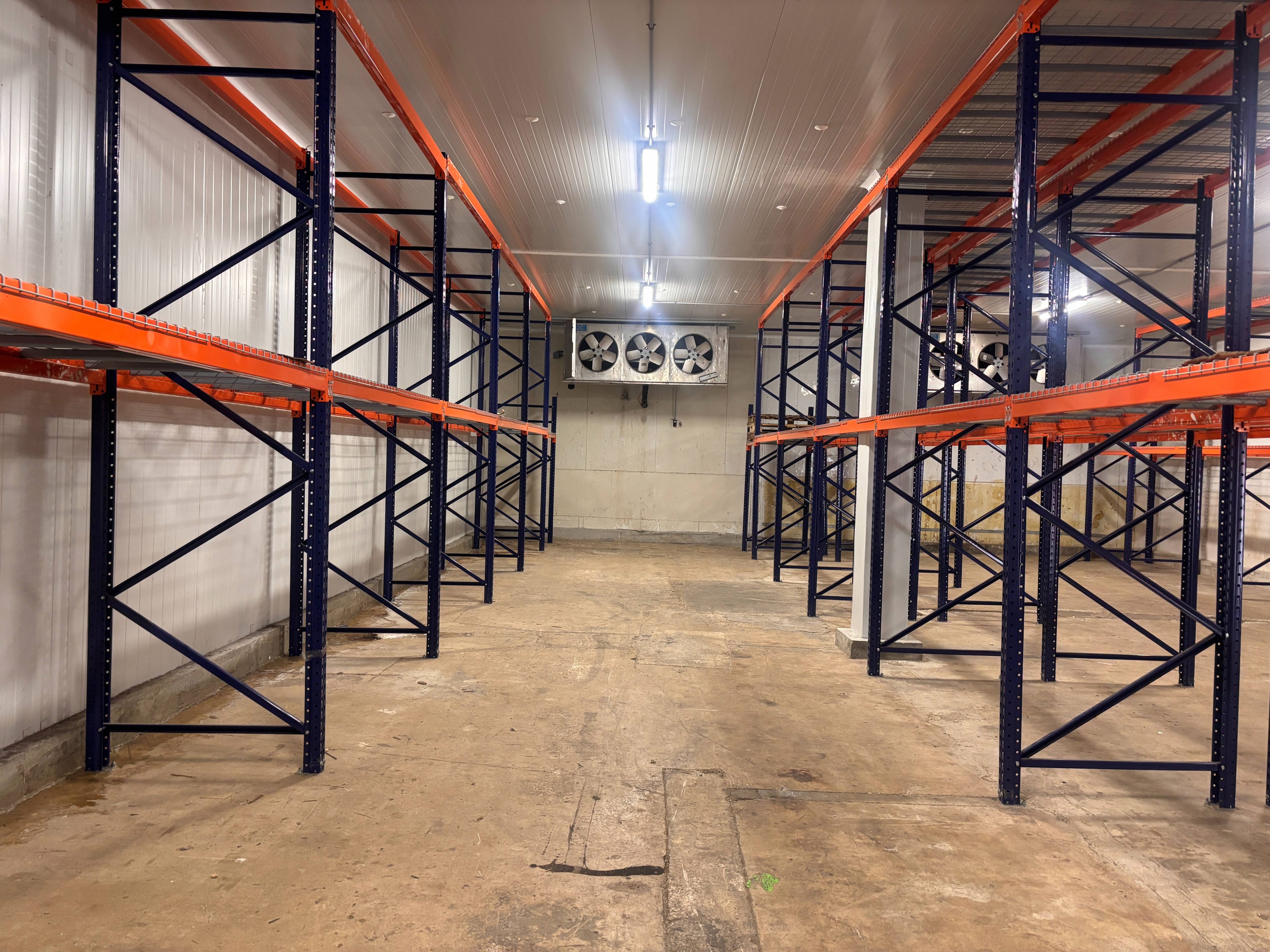
What Tenants Need to Evaluate Before Leasing
Cold storage leasing is not comparable to traditional warehouse leasing.
Tenants should evaluate:
Power Capacity & Backup Systems A facility without generator redundancy exposes millions in inventory risk.
Ceiling Height & Cubic Capacity Cold storage value is measured in cubic volume — not just square footage.
Dock Configuration & Throughput High-volume import/export operations require optimized loading.
Location Relative to PortMiami & MIA Time-sensitive goods depend on proximity to logistics corridors.
Insurance & Operating Costs NNN structures can be materially higher due to energy and maintenance demands.
A poorly structured lease can erase margin in an already tight logistics business.
What Investors Need to Underwrite in 2026
Cold storage is often described as “recession-resistant” — but only when structured properly.
Investors should assess:
• Tenant credit quality
• Specialized improvements ownership
• Equipment depreciation schedules
• Energy efficiency upgrades
• Insurance volatility in coastal zones
With Florida’s increasing climate scrutiny and insurance recalibrations, risk-adjusted returns must be analyzed carefully.
In South Florida, the right building in the wrong flood zone can materially change yield projections.
The Bigger Picture: South Florida’s Position as a Global Trade Hub
PortMiami expansion, continued migration from the Northeast, and Latin American trade flows continue to strengthen demand for temperature-controlled logistics.
Cold storage supports:
• Food distribution
• Pharmaceutical imports
• Floral and agricultural trade
• Grocery e-commerce fulfillment
As South Florida evolves into a permanent logistics gateway rather than a seasonal market, cold storage infrastructure will become even more strategic.
What’s Next for South Florida Cold Storage?
Looking ahead through 2026 and beyond, expect:
• Increased institutional capital entering the sector
• More build-to-suit development
• Rising insurance and resiliency standards
• Greater tenant demand for energy-efficient facilities
• Strategic repositioning of older industrial assets
This sector will reward disciplined underwriting and experienced brokerage guidance.
Rise Realty: Navigating Industrial Strategy in South Florida
At Rise Realty, we understand that cold storage is not just square footage — it’s infrastructure, logistics, and risk management combined.
Whether you are a:
• Tenant evaluating temperature-controlled space
• Investor underwriting industrial acquisitions
• Developer assessing build-to-suit feasibility
Our team provides data-driven guidance tailored to South Florida’s evolving industrial landscape.
📞 Contact Rise Realty today to discuss cold storage opportunities across Miami-Dade, Broward, and Palm Beach.
Strategic decisions today shape portfolio performance tomorrow.
💼 Ready to elevate your business? Contact us today!
🌐 riserealty.com
📞 305.859.1606
Check out this article next